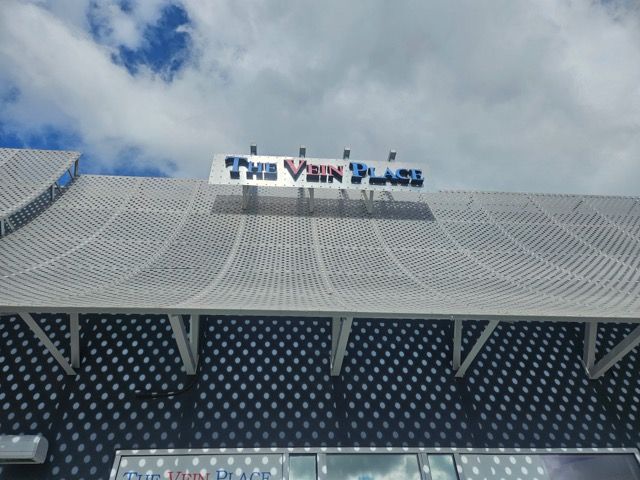

Living in desert climates exposes the body to extreme heat, which places significant stress on the vascular system. Veins are particularly susceptible to temperature-induced strain, and prolonged exposure can accelerate venous damage. Individuals experiencing persistent leg fatigue, swelling, or visible veins may benefit from consulting a specialized vein specialist who can assess risk factors and recommend preventive strategies. Early intervention is critical to maintaining healthy circulation and preventing complications such as varicose veins or chronic venous insufficiency.
The Impact of High Temperatures on Veins 🌡️

Extreme heat causes blood vessels to dilate, increasing pressure within the veins. Over time, this added strain can weaken vein walls and compromise valve function, leading to blood pooling and venous insufficiency. Desert residents often notice leg heaviness, swelling, and spider veins as early warning signs. The cumulative effects of heat and gravitational stress make proactive care essential.
Specialists highlight that even subtle, chronic exposure to high temperatures can trigger progressive venous changes. Monitoring circulation and maintaining proper hydration are fundamental steps in reducing heat-related vascular stress.
Recognizing Early Signs of Vein Strain 👀
Leg fatigue, mild swelling, and visible spider veins are often the first indications of heat-induced venous stress. Paying attention to these early warning signs allows for timely intervention. Vein experts emphasize that addressing these symptoms proactively helps prevent more severe complications such as varicose veins or leg ulcers.
Lifestyle Adjustments to Protect Veins in Desert Climates 🦵
Maintaining vein health in high-heat environments requires both behavioral and environmental strategies. Simple lifestyle modifications can reduce pressure on the venous system:
- 🔹 Alternating periods of activity and rest to support blood flow
- 🔹 Elevating legs to reduce venous pressure and prevent swelling
- 🔹 Wearing lightweight, breathable clothing to avoid overheating
Regular hydration, along with a diet rich in antioxidants, supports vein elasticity and reduces inflammation, complementing these lifestyle strategies.
Exercise and Circulation Support 🏃
Physical activity plays a critical role in maintaining healthy veins. Moderate exercises, such as walking, swimming, or cycling, strengthen the calf muscle pump, which assists in returning blood from the legs to the heart. Specialists caution against prolonged inactivity, which can exacerbate venous strain, especially in hot climates. Consistent, structured exercise routines can offset environmental stress and support long-term vein health.
Preventive and Minimally Invasive Treatments 💉

For individuals already showing signs of vein damage, minimally invasive vein procedures provide effective solutions without major surgery. Techniques such as sclerotherapy, radiofrequency ablation, and endovenous laser therapy (EVLT) target weakened veins while minimizing recovery time. Early intervention with these treatments can prevent progression, relieve discomfort, and reduce the risk of chronic complications.
Specialists recommend regular monitoring for those living in desert climates. Combining lifestyle strategies, hydration, targeted exercise, and periodic medical evaluations creates a comprehensive approach to protecting veins against heat-related damage.
Long-Term Strategies for Healthy Circulation 🌟
Sustained vein health requires a proactive, holistic approach. Avoiding excessive sun exposure during peak heat hours, maintaining mobility, and adhering to preventive care plans are essential for reducing the cumulative stress on veins. Regular check-ups with a qualified vein specialist ensure early detection and timely intervention, safeguarding circulation and overall leg health.
📍 Address
1945 East 17th St, Suite 107
Santa Ana, CA 92705
📞 Call Us
(714) 500-7714
🕒 Office Hours
Monday – Friday
9:00 a.m. – 5:00 p.m.
Website – https://theveinplaceoc.com/