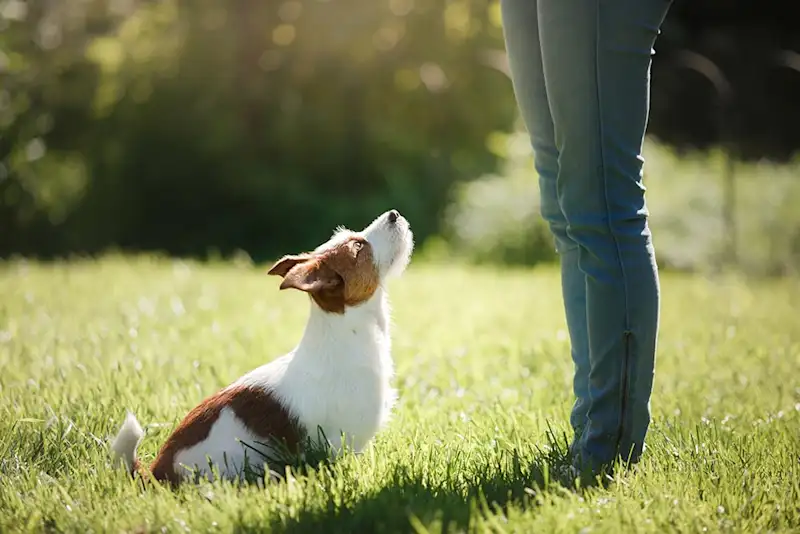

Searching for the best online dog training can feel overwhelming in 2025. There are thousands of videos, apps, courses, and “quick fixes” that promise fast results, but many dog owners still end up stuck with the same problems: pulling on leash, jumping, barking, anxiety, or a dog who only listens at home.
The truth is simple. Online training can work really well when it gives you a clear plan, the right timing, and steps you can practice in real life. This guide will help you choose the right online program, avoid common mistakes, and build obedience you can trust. We will also share free training resources from Rob’s Dog Training in Phoenix for owners who want expert guidance you can start using today.
What should the “best online dog training” include in 2025
Online dog training is not “bad.” The problem is that most owners pick content that is easy to watch, not easy to apply.
The best online programs have these essentials:
- A step-by-step roadmap (not random videos)
- Skill progression from easy to hard, with clear goals
- Real-life practice (walks, door greetings, guests, distractions)
- Troubleshooting for common issues (overexcitement, fear, reactivity)
- Clear timing for rewards and corrections (what to do, when to do it)
- Owner habits that make training consistent (short sessions, daily reps)
If a course does not show you how to handle mistakes, distractions, and “real-world” moments, it is not complete training.
Best online dog training vs. in-person training
Online training is great for learning concepts and building basic habits. But it has limits.
Online training is a strong fit if:
- Your dog needs basic obedience (sit, down, place, recall foundations)
- You want help with puppy routines (potty, crate, calm time)
- You are consistent and can practice daily
- You need structure, not just “tips.”
In-person coaching is often better if:
- Your dog is reactive, anxious, or aggressive
- The behavior happens fast (lunging, snapping, door rushing)
- You need hands-on timing and handling feedback
- You want faster progress with fewer setbacks
This is why many owners start online, then switch to 1-on-1 training when they want results that hold up outside the house. Rob’s Dogs even notes that private lessons can be “better than most other alternatives, especially videos,” because you get direct guidance and a custom plan.
Best online dog training: 9 things to look for
If you want the best online dog training, use this checklist before you pay.
1) A clear promise, not a vague goal
Good examples:
- “Loose leash walking in 4 steps.”
- “Recall foundations with a long line.”
- “Stop jumping, use a replacement behavior.”
Bad examples:
- “Perfect dog in 7 days”
2) Skills taught in the right order
A solid program starts with:
- Attention (your dog checks in with you)
- Marker and reward timing
- Simple obedience with low distractions
- Adding distance, duration, and distractions
- Real-life practice
3) Short daily sessions
The best programs teach you to train in 5 to 10 minutes, multiple times a day. Long sessions usually create sloppy timing and frustration.
4) Proof that it works in public
Look for clips in parks, neighborhoods, and real distractions, not only indoor demos.
5) A plan for leash training
Leash skills are where most owners struggle. If the course is weak on leash work, it will not change daily life much.
Rob’s Dogs publishes free leash guidance under their “Free Tips” section, which is helpful if you want a structured place to start.
6) A plan for house training and routines
Many behavior issues get easier when the dog has structure. Rob’s Dogs also shares free puppy house training guidance that focuses on building good habits early.
7) Clear safety steps for risk behaviors
If you are working on aggression concerns, resource guarding, or bite risk, “watch a video and try it” is not enough. You need safe management steps and often professional oversight.
Rob’s Dogs provides muzzle education resources and explains that introducing a muzzle should be a patient, step-by-step process.
8) Language that is simple and specific
If you cannot repeat the method after watching it once, it is too complicated.
9) Support options
Even online, the best programs offer:
- Q&A support
- progress check-ins
- clear troubleshooting lessons
A simple 14-day plan that makes online training work
Here is a practical structure you can follow alongside any solid online program.
Days 1 to 3: Build focus and timing
- Choose a marker word (“Yes”) or clicker.
- Reward quick check-ins (eye contact) in a quiet room.
- Do 3 sessions per day, 3 to 5 minutes each.
Days 4 to 7: Add one core command
Pick one:
- Sit
- Down
- Place (go to a bed/mat)
Keep it simple:
- Reward fast responses.
- End on a win.
- Do not repeat commands 5 times.
Days 8 to 10: Start leash basics
- Practice inside first.
- Reward when the leash is loose.
- Turn and reset when pulling starts (do not drag your dog forward).
If leash work is a priority, Rob’s Dogs’ “Leash Training” free tip page is a good reference point to guide the basics. Rob’s Dogs
Days 11 to 14: Add real-life distractions
- Practice in the yard, driveway, or a quiet sidewalk.
- Keep a distance from triggers.
- Reward calm behavior and check-ins.
Progress is not about “perfect.” It is about fewer mistakes and faster recovery.
Common mistakes that make online training fail
Most owners do not fail because they “lack dominance” or their dog is “stubborn.” They fail because the plan is missing key pieces.
Mistake 1: Only training when the dog is already out of control
Train calm skills when nothing is happening, so the dog has something to fall back on later.
Mistake 2: Skipping management
Use baby gates, leashes, crates, and routines. Management prevents your dog from practicing bad habits.
Mistake 3: Using too much freedom too soon
If recall is not trained, do not rely on it at the park. Use a long line.
Mistake 4: Treats with no rules
Rewards should be tied to specific behaviors, not random.
Mistake 5: Expecting one method to fit every dog
Size, age, drive, fear, and history matter. Good training adapts.
Free online dog training help from Rob’s Dog Training
If your goal is the best online dog training, you do not always need to start with a paid course. Sometimes you need a trusted set of resources that covers the basics the right way.
Rob’s Dogs offers a “Free Tips” section that includes:
They also publish training articles and real-world practice notes through their blog. If you start with these resources and stay consistent, you can make real progress quickly, especially with puppies and basic obedience.
When you should stop relying on online training alone
Online training is a great starting point, but some problems need a professional to step in sooner.
Consider 1-on-1 help if:
- Your dog has bitten or tried to bite
- You see serious fear, panic, or shutdown behavior
- Your dog’s reactivity is getting worse
- You cannot safely practice in daily life
Rob’s Dogs offers private lessons with custom training based on your needs and goals, and they list “lifetime support” and “satisfaction guaranteed” as part of their private lessons features.
Want faster progress in Phoenix? Here’s where to start
If you are in Phoenix and want a clear plan from a professional trainer (not just more videos), Rob’s Dog Training is located at:
4204 E Indian School Rd, Phoenix, AZ 85018
Phone: 480-490-8941
Website: robsdogs.com
They also explain how to get started through an initial consultation process on their site.
Final thoughts
The best online dog training is not the one with the most views. It is the one that gives you a clear plan, teaches timing, and helps you practice in real life. Start simple, train daily, and measure progress by what your dog can do with distractions.
If you want free online guidance you can use right now, start with Rob’s Dogs “Free Tips.” And if you want faster results with professional coaching in Phoenix, reach out to Rob’s Dog Training and get a plan built around your dog and your daily life.