

Fire safety is one of the most important aspects of protecting any building or facility. Fires can start unexpectedly and spread very quickly, causing severe damage to property, equipment, and even human lives. One of the key tools in ensuring effective fire protection is the fire pump. Fire pumps are essential in providing a reliable water supply to fight fires and maintain safety within a facility. Understanding their role can help business owners and facility managers take better steps toward preventing fire hazards.
Understanding What a Fire Pump Is
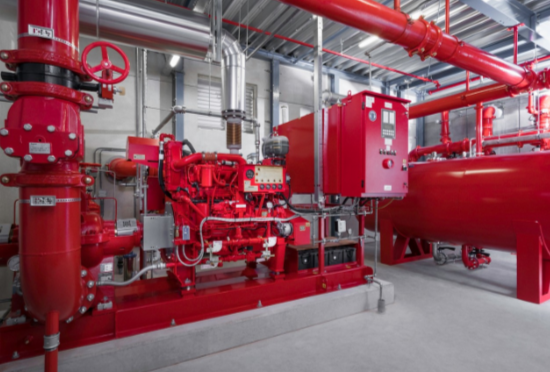
A fire pump is a mechanical device designed to increase the pressure of water from a source so that it can reach all areas of a building during a fire emergency. Water alone may not always have enough pressure to reach upper floors or distant parts of a large facility. The fire pump ensures that water flows at the required pressure to the fire sprinklers, hoses, or other firefighting systems. Without a fire pump, the effectiveness of these systems may be limited, reducing the ability to control and extinguish a fire quickly.
How Fire Pumps Protect Your Facility
Fire pumps play a vital role in protecting a facility from fire hazards by ensuring consistent water pressure when it is most needed. In case of a fire, every second counts, and having immediate access to water at sufficient pressure can prevent a small fire from turning into a catastrophic event. Fire pumps also support the building’s sprinkler system, which is often the first line of defense against spreading flames. By maintaining strong water flow, they help firefighters tackle the fire more efficiently and reduce the risk of extensive property damage.
Types of Fire Pumps and Their Importance
There are several types of fire pumps, including electric, diesel, and steam-driven pumps. Electric fire pumps are commonly used in commercial buildings because they are reliable and easy to maintain. Diesel fire pumps are often found in facilities where electrical power may not be reliable, providing an independent water supply during emergencies. Steam-driven fire pumps are used in industrial settings with high-temperature processes. Choosing the right type of fire pump depends on the facility’s size, fire safety requirements, and available water sources. Selecting an appropriate fire pump ensures that the building’s fire protection system functions correctly under all conditions.
Installation and Maintenance of Fire Pumps
Proper installation and maintenance of fire pumps are critical to their effectiveness. Fire pumps must be installed according to the manufacturer’s guidelines and local fire safety codes. Regular inspections and testing are necessary to ensure the pump operates correctly in an emergency. Maintenance includes checking the pump’s motor, valves, pipes, and water supply connections. Neglecting maintenance can lead to reduced performance or failure during a fire, which could have serious consequences. Facility managers should have a routine schedule for fire pump testing and maintenance to guarantee reliability at all times.
Compliance with Fire Safety Standards
Using fire pumps is not only a matter of safety but also a requirement in many regions. Fire safety codes and regulations often mandate the installation of fire pumps in large buildings or facilities with high fire risks. Compliance with these standards ensures that the facility is prepared for emergencies and meets legal obligations. Regular audits and inspections may be conducted to verify that the fire pumps and related systems are functioning properly. By adhering to fire safety standards, facility owners can avoid penalties and ensure the well-being of everyone in the building.
Conclusion
Fire pumps are a crucial component of any fire protection system. They provide the necessary water pressure to combat fires effectively and protect both lives and property. Understanding the role of fire pumps, choosing the right type, and maintaining them properly can make a significant difference in fire safety. Ensuring compliance with local fire safety regulations further strengthens a facility’s protection against fire hazards. By investing in reliable fire pumps and proper maintenance, facility managers can create a safer environment and reduce the potential damage caused by fires.