
If you’ve ever stood near a working crane or watched an elevator system during maintenance, you know one thing immediately: a tremendous amount of trust sits inside a single rope.
Steel wire ropes quietly carry tons of weight every day, lifting construction materials hundreds of feet into the air, raising cargo onto ships, or transporting people safely inside elevators. Yet despite their strength, ropes are also one of the most fatigue-prone components in any lifting system.
Over the years, many engineers have discovered the same uncomfortable truth: rope failures rarely happen suddenly without warning. They develop slowly, through stress cycles, uneven loads, and unnoticed tension spikes.
That’s exactly why rope tension monitoring has become such an important part of modern lifting safety. When engineers can see the real forces acting on a rope in real time, they gain the ability to prevent problems long before they turn into failures.
Let’s look at why this matters and how continuous cable tension measurement helps keep lifting systems reliable.
The Hidden Stress Inside Every Rope
At first glance, a steel rope looks incredibly tough. Thick strands of steel wires twist together into a structure capable of carrying massive loads. But inside that rope, each tiny wire is constantly bending, stretching, and relaxing as the system moves.
Imagine bending a paperclip back and forth. Eventually, it snaps, not because of one big bend, but because of repeated tiny stresses.
Wire ropes behave the same way.
In cranes, elevators, and marine systems, ropes experience cyclic loading, a repeating pattern of tension changes as loads move. Over time, this leads to wire rope fatigue, one of the most common causes of rope failure.
According to guidance from the Occupational Safety and Health Administration (OSHA), regular inspection of wire ropes is essential because fatigue damage can develop internally long before visible wear appears.
But here’s the challenge.
Traditional inspections only show what’s happening on the outside. The real stress story is happening inside the rope.
That’s where monitoring technology becomes invaluable.
When Load Guessing Becomes a Safety Risk
Early in my career, a crane maintenance engineer once told me something that stuck with me:
“Most rope problems start with someone guessing the load.”
And he wasn’t wrong.
Operators often estimate loads based on experience. Sometimes the estimate is close, sometimes it’s not.
Consider common lifting situations:
- A crane picks up a load that’s slightly heavier than expected
- An elevator system develops uneven tension across suspension ropes
- A marine winch suddenly experiences wave-induced force spikes
Without rope tension monitoring, these conditions may go unnoticed.
The result?
- gradual overload conditions
- uneven stress between multiple ropes
- accelerated wire rope fatigue
These hidden stresses slowly reduce safety margins.
And the operator might never know.
Why Continuous Rope Tension Monitoring Matters
Now imagine something different.
Instead of guessing, you can see the load on the rope in real time.
That’s the real value of continuous cable tension measurement.
By measuring rope forces directly during operation, engineers gain a live picture of how the system behaves under actual working conditions.
This provides several important advantages.
Early Warning of Overload
When rope tension approaches safe limits, monitoring systems alert operators immediately. This prevents accidental overload events before they cause damage.
Balanced Load Distribution
In systems like elevators or multi-line cranes, monitoring reveals whether one rope is carrying more load than the others. Correcting this imbalance dramatically improves crane rope safety.
Insight Into Fatigue Development
Over time, tension data shows how frequently ropes experience high stress cycles, helping engineers predict maintenance needs before failures occur.
Better Operational Awareness
Operators gain a deeper understanding of how lifting speed, load movement, and environmental forces affect rope tension.
In short, visibility replaces guesswork.
How Rope Tension Load Cells Measure the Force
So how do engineers actually measure rope tension?
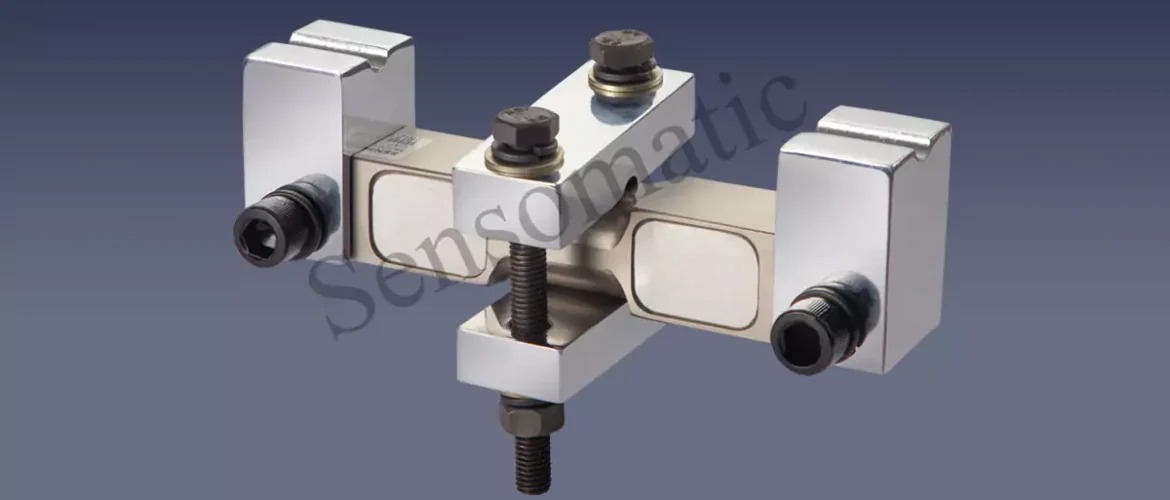
The most common solution is a rope tension load cell.
These sensors are designed to measure the mechanical force transmitted through a rope while the system operates normally.
Here’s the basic idea.
The rope passes through or around a specially designed sensor assembly. As tension increases, the force slightly deforms the sensor structure. Inside the sensor, strain gauges convert that deformation into an electrical signal proportional to the load.
That signal is then sent to monitoring systems, displays, or safety controls.
The result?
A continuous stream of real-time load data.
You can explore more about load-sensing principles from organisations like the International Organisation for Standardisation, which develops standards related to force measurement technologies.
Where Rope Monitoring Makes the Biggest Difference
Continuous rope tension monitoring is now used across many industries where lifting reliability matters.
Crane Operations
Construction and industrial cranes operate with constantly changing loads. Monitoring ensures lifting limits are respected and improves crane rope safety during heavy lifts.
Elevator Systems
Elevator manufacturers depend on balanced loads across multiple suspension ropes. Monitoring helps ensure each rope carries its share of the load.
Marine and Offshore Equipment
Mooring systems and winches experience unpredictable forces caused by waves and vessel movement. Real-time tension monitoring helps operators respond quickly to dangerous load spikes.
Cable-Driven Motion Systems
Some automated systems rely on cables for precise motion control. Monitoring tension ensures smooth movement and prevents mechanical overload.
Across these applications, the common theme is simple:
engineers need visibility into rope forces.
Reliability Best Practices for Rope Monitoring
If you’re responsible for lifting systems, implementing tension monitoring is only part of the equation. The real benefits come when monitoring is combined with good engineering practices.
Here are a few reliability guidelines many experienced engineers follow:
Install sensors at critical load points
Place monitoring systems where tension changes are most significant.
Verify mechanical alignment during installation
Improper installation can affect measurement accuracy.
Integrate monitoring with safety alerts
Automated warnings help operators respond quickly to overload conditions.
Analyze long-term tension data
Patterns in the data often reveal developing mechanical issues.
Combine monitoring with routine inspections
Technology supports inspection programs; it does not replace them.
These steps transform monitoring from a simple measurement tool into a powerful reliability strategy.
A Better Way to Protect Critical Rope Systems
Wire ropes remain one of the most trusted components in lifting systems, but they’re also constantly working under stress.
Fatigue, uneven loading, and dynamic forces slowly reduce their strength over time. And because much of this damage happens internally, traditional inspection methods may miss early warning signs.
Continuous rope tension monitoring gives engineers the missing piece: real-time visibility into actual load conditions.
By combining accurate cable tension measurement with good maintenance practices, engineers can detect overload risks earlier, manage fatigue more effectively, and significantly improve crane rope safety.
And when the systems we rely on every day, from cranes to elevators to marine winches, are carrying heavy loads above people and equipment, that visibility isn’t just useful.
It’s essential.