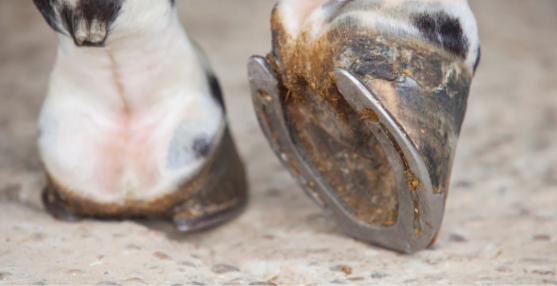

Navicular disease is a common cause of lameness in horses, affecting the small bone in the hoof known as the navicular bone. Horses suffering from this condition often experience pain and discomfort, making it difficult for them to move comfortably. Understanding navicular disease in horses treatment is essential for horse owners who want to improve their horse’s mobility and overall quality of life. With the right approach, horses can regain comfort and continue to perform well in their daily activities.
Understanding Navicular Disease
Navicular disease occurs when the navicular bone and surrounding tissues in the hoof become inflamed or degenerate. This condition is most often seen in the front feet and can lead to chronic lameness if left untreated. The disease can develop due to a combination of factors, including genetics, age, poor hoof conformation, or repeated stress on the hooves. Horses affected by navicular disease often show signs such as short, choppy strides, reluctance to move, and shifting weight to other legs to reduce pain. Early diagnosis is key to managing this condition and preventing further complications.
Importance of Early Treatment
Recognizing the signs of navicular disease in horses treatment early can make a significant difference in your horse’s recovery. The earlier treatment begins, the better the chances of reducing pain and slowing the progression of the disease. Regular hoof inspections, lameness evaluations, and veterinary check-ups are essential to identify any early warning signs. Prompt attention ensures that your horse can receive the most appropriate therapy to regain comfort and maintain its mobility.
Treatment Options for Navicular Disease
There are several approaches to managing navicular disease in horses treatment. One common method is the use of corrective shoeing or specialized hoof trims. These techniques help redistribute the horse’s weight and reduce stress on the navicular bone. In some cases, medications such as anti-inflammatory drugs or pain relievers may be prescribed by a veterinarian to control discomfort and inflammation. Advanced treatments may also include physical therapy, shockwave therapy, or other modern veterinary techniques that focus on improving blood flow and supporting the healing of affected tissues. Each horse may respond differently, so a tailored treatment plan is crucial.
Lifestyle Adjustments and Support
Alongside medical and hoof care treatments, lifestyle adjustments can play a vital role in managing navicular disease. Ensuring that your horse has proper footing, minimizing hard surfaces, and providing regular exercise can help reduce strain on the hooves. Maintaining a healthy weight is also important, as excess weight can increase stress on the navicular area. Horses often benefit from a calm and supportive environment where their movement is encouraged but not overexerted. Such adjustments complement veterinary care and can significantly improve the overall well-being of your horse.
Monitoring Progress and Ongoing Care
Continuous monitoring is essential after initiating navicular disease in horses treatment. Regular follow-ups with your veterinarian can help track your horse’s progress and make adjustments to the treatment plan if needed. Observing changes in gait, behavior, and comfort level provides valuable insights into how well the horse is responding to care. Long-term management may include periodic hoof maintenance, medication adjustments, or other therapies to maintain mobility and prevent flare-ups. Consistent care ensures that your horse can enjoy a comfortable and active life.
Conclusion
Navicular disease can be challenging for both horses and their owners, but with proper treatment, horses can regain comfort and continue to live fulfilling lives. Understanding navicular disease in horses treatment, seeking early intervention, and following a comprehensive care plan are essential steps toward improving your horse’s mobility and reducing pain. By combining medical treatments, corrective hoof care, lifestyle adjustments, and ongoing monitoring, you can help your horse move more freely and maintain its overall well-being. Taking action promptly ensures that your horse has the best chance to overcome the challenges posed by navicular disease and enjoy a healthy, active life.