

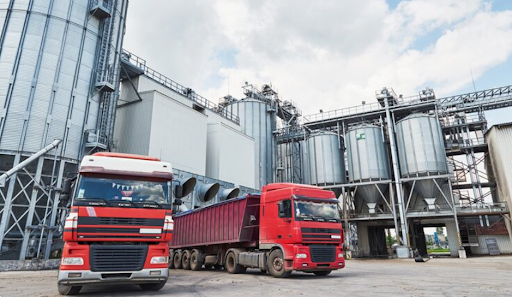
Transporting oversized, overweight, or heavy equipment requires careful planning and professional support. Whether you need to move construction machinery, industrial equipment, or large materials, choosing the right transportation provider is important. A reliable provider can help ensure your shipment reaches its destination safely, on time, and within budget. However, with many heavy haul trucking companies available, finding the right partner can take some research. Understanding what to look for can help you make a confident decision and avoid unnecessary transportation problems.
Understand Your Transportation Requirements
Before choosing a trucking provider, identify the specific needs of your shipment. Consider the weight, height, width, and length of the equipment you want to transport. These details help determine the type of truck, trailer, and equipment required for the job.
Different shipments may require specialized trailers, such as lowboys, flatbeds, or extendable trailers. Some loads may also need special handling and additional safety measures. Understanding your requirements makes it easier to compare heavy haul trucking companies and find one with the right transportation capabilities.
Check the Experience of the Company
Experience is an important factor when selecting a heavy haul transportation provider. Moving oversized loads involves more than simply loading equipment onto a truck. It requires proper planning, knowledge of transportation regulations, and an understanding of road conditions.
Look for heavy haul trucking companies with experience transporting loads similar to yours. An experienced company is more likely to understand potential challenges and develop suitable solutions. Industry knowledge can also help prevent delays and ensure that your shipment is handled professionally throughout the journey.
Review Licensing, Permits, and Insurance
Heavy haul transportation often involves special permits and legal requirements. These requirements may vary depending on the shipment’s dimensions, weight, and travel route. Therefore, it is important to choose a company that understands the regulations in the areas where your shipment will travel.
Ask whether the provider handles permit arrangements and route approvals when required. You should also check its insurance coverage to understand how your equipment is protected during transportation. Reliable heavy haul trucking companies should be transparent about their licenses, permits, and insurance policies.
Evaluate Equipment and Safety Standards
The quality of transportation equipment plays an important role in successful heavy hauling. Modern, well-maintained trucks and suitable trailers help reduce the risk of mechanical problems during transportation. Before making a decision, ask about the company’s fleet and its maintenance practices.
Safety should also be a major consideration. Professional drivers should have the proper training and experience to handle oversized loads. The company should follow appropriate loading, securing, and transportation procedures to protect both the shipment and other road users.
Compare Pricing and Customer Service
Cost is another important factor when choosing a transportation provider. Request detailed quotes from different heavy haul trucking companies and compare the services included in their prices. The lowest quote may not always offer the best value, especially if important services are excluded.
Customer service also matters. Choose a provider that communicates clearly, answers your questions, and provides updates about your shipment. Good communication helps you stay informed and makes the entire transportation process easier to manage.
Conclusion
Choosing the right heavy haul trucking company requires careful consideration of experience, equipment, safety, licensing, pricing, and customer service. By evaluating these factors, you can find a reliable transportation partner that understands your logistics needs. Taking time to compare heavy haul trucking companies can help protect your valuable equipment, reduce transportation risks, and ensure a smoother delivery process.