
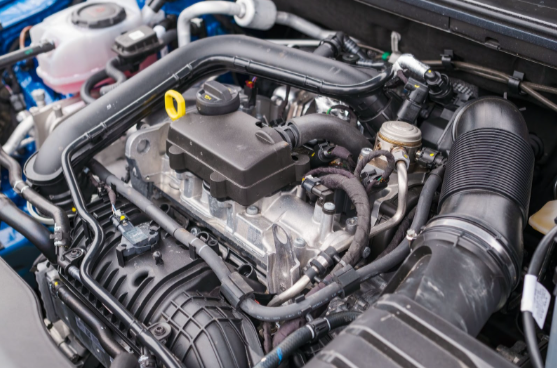
The heart of any vehicle is its engine, and proper care can mean the difference between decades of reliable service and premature failure. Japanese automotive manufacturers have built reputations on engineering excellence and durability, but even the most well-designed engines require consistent maintenance to reach their full potential. Understanding how to properly care for your vehicle’s powerplant can save thousands of dollars in repairs while ensuring optimal performance throughout its lifespan.
The Foundation: Regular Oil Changes
Oil serves as your engine’s lifeblood, lubricating moving parts, reducing friction, and helping dissipate heat. Over time, oil breaks down and becomes contaminated with combustion byproducts, metal particles, and dirt. Regular oil changes represent the single most important maintenance task for engine longevity. While manufacturer recommendations typically suggest intervals between 5,000 and 7,500 miles, driving conditions significantly impact optimal change frequencies.
Severe driving conditions—including frequent short trips, stop-and-go traffic, extreme temperatures, and towing—accelerate oil degradation. In these situations, more frequent oil changes provide additional protection. Using high-quality synthetic oil can extend intervals and provide superior protection, particularly in extreme conditions. Always consult your vehicle’s manual for specific recommendations and consider your driving patterns when establishing a maintenance schedule.
Cooling System Maintenance: Preventing Overheating
The cooling system plays a vital role in maintaining proper engine temperature. Coolant circulates through the engine, absorbing heat and transferring it to the radiator where it dissipates into the air. Neglecting cooling system maintenance can lead to overheating, which causes severe engine damage including warped cylinder heads, blown head gaskets, and cracked engine blocks.
Coolant should be inspected regularly for proper level and condition. Over time, coolant loses its corrosion-inhibiting properties and becomes acidic, potentially damaging internal engine components. Most manufacturers recommend coolant replacement every 30,000 to 50,000 miles, though long-life coolants may extend this interval. Regular inspection of hoses, clamps, and the radiator cap helps prevent leaks and cooling system failures.
Air Filter Replacement: Optimizing Combustion
Clean air is essential for efficient combustion. The air filter prevents dust, dirt, and debris from entering the engine, protecting internal components from abrasive damage. A clogged air filter restricts airflow, reducing engine performance and fuel efficiency while increasing emissions. In severe cases, inadequate filtration allows contaminants to enter the engine, accelerating wear on pistons, cylinders, and valves.
Inspection and replacement intervals depend on driving conditions. Vehicles operated in dusty environments require more frequent filter changes than those driven primarily on paved roads in clean conditions. Most manufacturers recommend inspection every 12,000 miles and replacement every 15,000 to 30,000 miles, but visual inspection provides the most accurate assessment of filter condition.
Fuel System Care: Keeping It Clean
Modern fuel injection systems operate at high pressures with extremely tight tolerances. Contamination or deposits can cause injector clogging, leading to rough idling, poor fuel economy, and reduced performance. Using quality fuel from reputable stations helps minimize contamination, while periodic fuel system cleaning treatments can remove deposits and maintain optimal injector function.
The fuel filter, often overlooked, plays a crucial role in protecting the fuel system. Regular replacement according to manufacturer specifications prevents contaminated fuel from reaching sensitive injection components. Some vehicles use lifetime fuel filters integrated into the fuel pump assembly, while others require periodic replacement.
Timing Belt or Chain Maintenance
The timing system synchronizes crankshaft and camshaft rotation, ensuring valves open and close at precisely the right moments. Timing belt failures can cause catastrophic engine damage, particularly in interference engines where pistons and valves occupy the same space at different times. Timing belts typically require replacement every 60,000 to 100,000 miles, depending on the manufacturer.
Timing chains generally last longer than belts but still require proper maintenance. Regular oil changes are critical for chain longevity, as the chain relies on engine oil for lubrication. Timing chain tensioners and guides can wear over time, potentially leading to chain slack and timing issues.
The Value of Quality Replacement Components
When engine repairs or replacements become necessary, using quality components ensures continued reliability and performance. For those seeking replacement powerplants, options like used JDM Toyota engines offer proven durability and quality engineering. Japanese domestic market engines often feature lower mileage and excellent maintenance histories, providing cost-effective alternatives to new or rebuilt engines.
Preventive Maintenance: The Smart Investment
Establishing and following a comprehensive maintenance schedule prevents minor issues from becoming major problems. Keep detailed records of all maintenance performed, including dates, mileage, and services completed. This documentation proves valuable when diagnosing problems and enhances resale value by demonstrating conscientious ownership.
Listen to your engine and pay attention to changes in performance, unusual noises, or warning lights. Early detection and correction of problems prevents extensive damage and costly repairs. Regular inspections by qualified technicians can identify potential issues before they cause breakdowns.
Driving Habits and Engine Life
How you drive significantly impacts engine longevity. Avoiding aggressive acceleration, allowing proper warm-up time, and preventing excessive idling all contribute to extended engine life. High-RPM operation increases stress on engine components, while consistent moderate driving promotes longevity.
Short trips prevent engines from reaching optimal operating temperature, causing increased wear and moisture accumulation in the oil. When possible, combine errands to ensure the engine reaches and maintains proper operating temperature.
Conclusion
Engine longevity results from consistent maintenance, quality components, and conscientious driving habits. By following manufacturer recommendations, using quality fluids and filters, and addressing issues promptly, you can maximize your engine’s lifespan and maintain reliable performance for hundreds of thousands of miles. The investment in regular maintenance pays dividends through reduced repair costs, improved fuel efficiency, and peace of mind knowing your vehicle will start and run reliably every time you turn the key.