

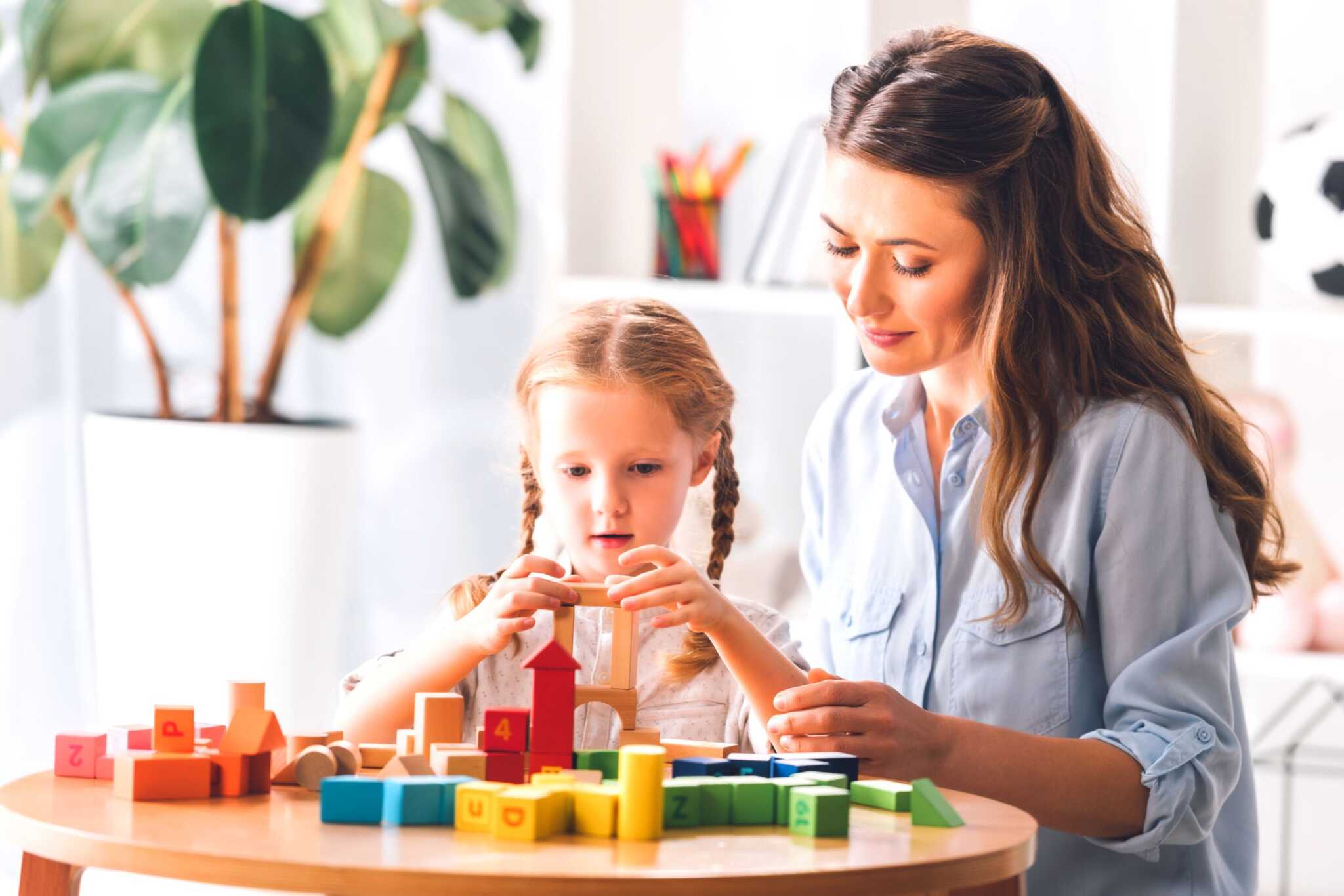
Autism is a lifelong condition that presents differently in each person. Some individuals face challenges with communication, while others have heightened sensory responses. Holistic and functional care considers the full range of an individual’s needs. It prioritizes sustained health rather than short-term responses.
Functional health and wellness care supports multiple aspects of autism health. Functional approaches examine systems such as digestion, sleep patterns, and metabolism. Holistic care focuses on overall wellbeing including emotional and environmental factors. When these approaches work together, they can increase daily independence and overall quality of life.
Understanding Autism Spectrum
Autism Spectrum Disorder (ASD) affects three areas of human development which include social interaction, behavioral patterns, and learning abilities. The spectrum contains different communication abilities which range from people who can speak fluently to those who use very few words. Many people display strong passion for specific subjects while they maintain fixed behavioral patterns throughout their daily lives. Professionals and caregivers can provide personalized assistance after they gain a thorough understanding of the spectrum.
Role of Holistic and Functional Care to Support Long-Term Autism Wellness
Here are some of the most common roles:
Personalized Care Plans
Every person with autism expresses needs and strengths uniquely. Care plans reflect that diversity. These plans combine therapies and routines into practical weekly goals.
- Define targeted and measurable objectives
- Create predictable daily schedules
- Update strategies based on observed progress
- Coordinate with caregivers for consistency
- Incorporate interests that motivate participation
Integrative Therapies
Blending modalities can address multiple developmental areas. Each therapeutic approach offers distinct benefits.
| Therapy | Purpose | Example |
| Occupational Therapy | Build daily living abilities | Practice self-care tasks |
| Music Therapy | Engage through sound and rhythm | Group singing activities |
| Art Therapy | Support expression and emotion | Guided drawing sessions |
| Yoga | Enhance body awareness | Gentle posture routines |
Nutritional Support
Nutrition influences energy levels, focus, and overall regulation. Balanced food choices support growth and daily function.
- Choose diverse sources of protein, fruits, vegetables, and whole foods.
- Identify and manage food sensitivities.
- Encourage regular water intake.
- Offer small rather than large meals.
- Use supplements only when advised by a specialist.
Sensory Regulation
Sensory differences can heighten stress. Supportive strategies reduce triggers and encourage calm.
- Allocate quiet areas for retreat.
- Use tools like weighted blankets or fidget items.
- Select clothing that minimizes irritation.
- Introduce new textures slowly and gently.
- Establish calming rituals before key transitions.
Physical Activity
Movement influences mood, coordination, and holistic health coach helps in sensory processing. It also sustains physical health.
| Activity | Purpose | Example |
| Outdoor Play | Boost coordination and stamina | Running or climbing |
| Swimming | Build muscle tone and ease tension | Brief pool sessions |
| Yoga | Promote focus and flexibility | Stretching sequences |
| Balance Work | Strengthen motor control | Simple balance drills |
Mental Health Support
Emotional well-being affects daily life. Structured support increases coping capacity.
- Professional counseling for anxiety or stress.
- Mindfulness exercises tailored to age and ability.
- Social groups to build peer confidence.
- Functional medicine nutrition that reduces tension when overwhelmed.
- Consistent monitoring of emotional changes.
Family Involvement
Active caregiver participation reinforces progress. Families practice and support strategies outside clinical settings.
- Join therapy sessions to learn techniques.
- Use consistent communication methods at home.
- Keep routines predictable and familiar.
- Recognize progress, however incremental.
Behavioral Strategies
Behavioral methods encourage positive habits and lessen challenges.
- Use earned rewards for desired actions.
- Clarify day-to-day expectations.
- Teach practical strategies for frustration.
- Apply social skills in real-life settings.
- Record outcomes to guide next steps.
Speech and Communication Support
Communication skills are central to independence. Support focuses on expression and comprehension.
| Method | Purpose | Example |
| Speech Therapy | Strengthen speech patterns | Regular speaking exercises |
| AAC Devices | Support non-speech communication | Tablets or picture boards |
| Sign Language | Enable visual communication | Basic sign instruction |
| Visual Aids | Help interpret information | Chart cards or symbols |
Consistent Routines
Routine creates predictability. Predictability reduces anxiety and aids planning.
- Establish morning and evening routines.
- Schedule meals, well-rooted functional medicines and breaks each day.
- Follow a consistent sequence of activities.
- Use charts to reinforce what comes next.
- Adjust over time only as needed.
Track Progress Over Time
Tracking allows care teams to evaluate success and adapt plans.
- Keep ongoing records of behaviors and skills.
- Review outcomes on a regular basis.
- Note where improvements occur and where challenges remain.
- Adjust therapies based on real results.
- Share observations with caregivers and specialists.
Conclusion
The complete wellness of autistic individuals depends on their treatment through both mental and physical healing methods. The development process receives support through personalized plans that include multiple treatments, dietary guidelines, sensory assistance, and the involvement of active family members. The combination of established routines with systematic monitoring enables methods to achieve enduring and successful outcomes. For holistic and functional care for long-term autism wellness, consider the person’s whole health picture. Use multiple supportive strategies together, enable caregiver participation for continuity, continue reviewing results and refining as needed, and recognize milestones and progress.