

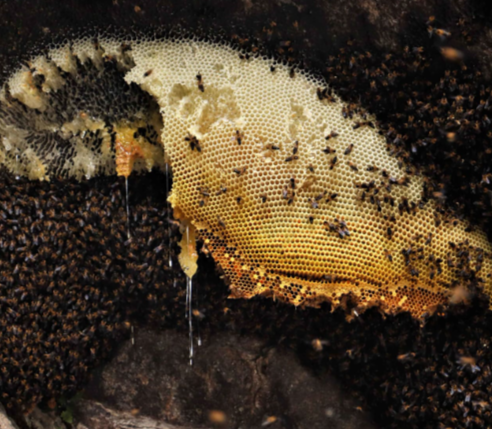
You might think all honey is basically the same, but the jar matters more than you would expect. The golden syrup squeezed from a plastic bear on the shelf has usually been heated and heavily filtered, which quietly strips away much of what made it special. Raw hive honey skips all of that and arrives with its natural enzymes, pollen, and plant compounds still intact.
That difference looks small on the label, but it shows up in your health. Here are five benefits where honey straight from the hive clearly beats its processed cousin.
1. More of the Nutrients Survive the Jar
Raw hive honey reaches you with the living parts of the hive still inside. Skipping the heat and fine filtering is the whole reason a processed jar feels empty by comparison, since each survivor plays a small role in what makes honey more than sugar.
- Active enzymes like glucose oxidase stay intact and contribute to honey’s natural protective effect
- Trace pollen carries small amounts of vitamins, minerals, and amino acids that fine filtering removes
- Propolis, the resin bees use to seal the hive, rides along in raw honey but rarely in processed jars
- Natural aroma and flavor compounds fade under high heat, flattening the taste of processed honey
- Processed jars keep the sweetness but lose most of these compounds to heat and tight filters
2. More Antioxidants Stay Intact
Raw honey holds far more antioxidants than the processed kind, and those compounds drive many of its health perks.
What These Antioxidants Do
Phenolics and flavonoids help the body manage oxidative stress, the slow cell damage linked to aging and many long-term conditions. They are part of why a spoonful of raw honey is treated as more than a sweetener, and as a rule, the darker the honey, the more of these compounds it carries, which makes color a quick clue to quality.
Why Processed Honey Falls Short
Pasteurization and fine filtering thin these antioxidants out, so a clear processed jar usually delivers a weaker dose even when the label looks identical. Heat is the bigger culprit, since it breaks down the delicate compounds long before the honey ever reaches the shelf. Swapping refined sugar for a spoonful of raw honey adds antioxidants that plain white sugar cannot offer at all.
3. Stronger Natural Antibacterial Action
Honey naturally resists bacteria and fungi, and raw honey keeps more of that power than processed jars. Its low moisture, gentle acidity, and slow release of hydrogen peroxide create conditions where many microbes struggle to grow, while heavy processing weakens that activity. Specialty raw honeys like Manuka are prized for an unusually strong version of this same effect.
Everyday Ways to Use It
- Stir a spoonful into warm tea throughout the cold season for gentle daily support
- Pair it with lemon or ginger in a warm drink when you feel run-down
- Keep a jar on hand as a natural alternative to refined sweeteners
- Drizzle it over yogurt or oatmeal for a small daily boost at breakfast
4. Real Support for Minor Wounds
Honey has been used on wounds for centuries, and modern research backs parts of that tradition for small scrapes. Its antibacterial action and moisture balance can help keep a clean wound from drying out while the skin recovers.
Safety note: Hospitals rely on medical-grade honey, which is sterilized and tested, while table honey is not. Keep raw honey for minor, clean scrapes only, and send anything deep, large, infected, or slow to heal to a doctor.
- Clean the scrape first, then apply a thin layer of raw honey
- Cover it lightly so the honey stays where you put it
- Stop and seek care if the wound worsens or shows signs of infection
5. Better Cough and Sore Throat Relief
Honey is one of the most trusted home remedies for a cough, and studies put raw honey on par with some store-bought syrups. Its thick texture soothes an irritated throat on contact rather than through any drug, which is why it works so well at night.
Best Ways to Use It
- Take a teaspoon straight, or stir it into warm water that is not boiling
- Add lemon for an extra soothing drink during a cold
- Use it just before bed to quiet a nighttime cough
One key warning: Never give honey to a baby under one year old, because of the risk of infant botulism.
What to Look for When Buying
Getting these benefits depends on buying honey that is truly raw and barely processed, and the label usually tells you most of what you need. Spending a minute on these checks keeps you from paying a premium for what amounts to flavored syrup.
Good Signs
- Words like raw, unfiltered, or cold extracted are printed on the jar
- Named producers that state a clear floral source or region
- Slight cloudiness or natural crystals, which point to real raw honey
Red Flags
- Added sugars, corn syrup, or a vague honey blend
- Crystal clear honey with no source or harvest details
- Prices too low to be true, single-origin honey
Bottom Line
Raw hive honey earns its reputation because it keeps the enzymes, antioxidants, and natural compounds that heavy processing strips away. From everyday nutrition to soothing a cough, honey straight from the hive consistently does more than the clear, mass-produced jar sitting beside it, and once you use the real thing, the gap is hard to ignore.
Smiley Honey makes it easy to put everything above into practice. Their whole lineup is built around raw and unfiltered honey, from single-origin tupelo and orange blossom to wildflower and local hive varieties, each one kept the way the bees made it. If you are not sure where to begin, the sampler sets let you taste several raw varieties side by side and find the one your kitchen keeps coming back to.